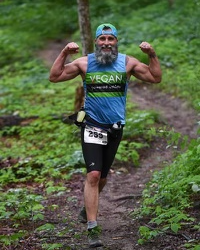


Yes, you can get all the protein you need from plants, and fuel strong training while you do it. "Where do you get your protein?" is still the question every plant-based athlete hears, usually from someone mid-bite into a burger.
This month we're focused on strength and balance: building the muscle and resilience that keep you durable through the off-season. Protein is a big part of that, so let's clear up the myths, cover what actually matters, and get you into the kitchen with six easy recipes.
Five protein myths, busted
Myth 1: Plant protein is "incomplete." Every plant food contains all nine essential amino acids. Some are lower in one or two (grains run low in lysine, beans in methionine), but eating a variety across the day covers it. Soy, quinoa, hemp and buckwheat are complete on their own.
Myth 2: You have to combine proteins at every meal. The old "rice and beans on the same plate" rule is outdated. Your body keeps a pool of amino acids, so combining over the course of a day works just as well.
Myth 3: You can't build muscle without meat or whey. Studies comparing soy or pea protein to whey show similar strength and muscle gains when total protein intake is matched. What builds muscle is total protein, enough leucine, and consistent training.
Myth 4: Soy messes with your hormones. Research on normal dietary amounts of soy shows no meaningful effect on testosterone or estrogen in men or women. Tofu, tempeh, edamame and soy milk are some of the best tools a plant-based athlete has.
Myth 5: Endurance athletes don't need much protein (or: more is always better). Both are wrong. Endurance training breaks down muscle and needs more protein than a desk job does. But past your target, extra protein just crowds out the carbs that fuel your training.
How much, how good, and when
How much you need
Most endurance athletes do well at 1.2–1.6 g of protein per kg of body weight per day, and up to about 2.0 g/kg during heavy strength blocks or when cutting weight. The general RDA of 0.8 g/kg is built for sedentary adults, not athletes.
A 150 lb (68 kg) athlete lands around 82–109 g per day. That's very doable from food.
Protein quality
Plant proteins digest slightly less completely than animal proteins and tend to have a bit less leucine, the amino acid that switches on muscle repair. Two easy fixes:
- Eat about 10% more than the numbers above, and lean on high-quality sources like soy, pea, seitan and lentils.
- Aim for 25–40 g per meal so each feeding clears the leucine threshold (roughly 2.5–3 g).
Timing
- Spread it out: 4–5 feedings of 20–40 g beat one giant dinner.
- After hard sessions: get 20–30 g of protein with plenty of carbs within about two hours. A 3:1 or 4:1 carb-to-protein ratio is a good target after long endurance work.
- Before bed: a 20–30 g snack (soy yogurt, a smoothie, edamame) supports overnight recovery, especially in strength blocks.
Top plant protein sources
Build most meals around one of these and you'll hit your numbers without thinking about it.
|
Food |
Serving |
Protein (approx. g) |
|---|---|---|
|
Pea or soy protein powder |
1 scoop |
20–25 |
|
Seitan |
3 oz |
21 |
|
Tempeh |
3 oz |
17 |
|
Lentils, cooked |
1 cup |
18 |
|
Edamame, shelled |
1 cup |
18 |
|
Extra-firm tofu |
1/2 block (7 oz) |
18–20 |
|
Black beans or chickpeas, cooked |
1 cup |
14–15 |
|
Hemp seeds |
3 tbsp |
10 |
|
Soy milk |
1 cup |
7–8 |
|
Quinoa, cooked |
1 cup |
8 |
|
Peanut butter |
2 tbsp |
7 |
|
Nutritional yeast |
2 tbsp |
4–5 |
Values are approximate and vary by brand. Check your labels.
Six easy high-protein recipes
Each of these takes 20 minutes or less of hands-on time and lands in the 20–35 g range per serving.
1. Peanut Butter Power Overnight Oats
Serves 1 · ~25 g protein (~35 g with powder)
- 1/2 cup rolled oats
- 1 cup soy milk
- 2 tbsp hemp seeds
- 1 tbsp chia seeds
- 1 tbsp peanut butter
- 1/2 banana, sliced, plus cinnamon to taste
- Optional: 1/2 scoop vanilla pea or soy protein
Stir everything except the banana in a jar. Refrigerate overnight. Top with banana in the morning and eat cold or warmed.
2. Loaded Tofu Breakfast Scramble
Serves 2 · ~25 g protein each
- 1 block (14 oz) extra-firm tofu, pressed and crumbled
- 1/2 cup black beans, rinsed
- 2 tbsp nutritional yeast
- 1/2 tsp turmeric, 1/2 tsp garlic powder, salt and pepper
- 2 big handfuls spinach, 1/2 bell pepper, diced
- 1 tbsp olive oil
Sauté the pepper in oil for 3 minutes. Add tofu and spices and cook 5–7 minutes until lightly golden. Stir in beans, spinach and nutritional yeast until the spinach wilts. Serve with toast or in a tortilla.
3. One-Pot Red Lentil & Chickpea Curry
Serves 4 · ~22 g protein each (over quinoa)
- 1 cup dry red lentils, rinsed
- 1 can (15 oz) chickpeas, drained
- 1 can (14 oz) light coconut milk
- 1 can (14 oz) diced tomatoes
- 2 cups vegetable broth
- 1 onion, diced, 3 garlic cloves, minced
- 2 tbsp curry powder, 1 tsp cumin, salt to taste
- 2 cups cooked quinoa, to serve
Soften the onion and garlic in a splash of oil or broth. Add spices for 30 seconds, then everything else except the quinoa. Simmer 20 minutes, stirring, until the lentils break down. Serve over quinoa. Freezes well.
4. Peanut Tempeh & Edamame Stir-Fry
Serves 2 · ~32 g protein each
- 8 oz tempeh, cubed
- 1 cup shelled edamame
- 3 cups mixed stir-fry veggies (broccoli, peppers, snap peas)
- Sauce: 2 tbsp peanut butter, 2 tbsp soy sauce or tamari, 1 tbsp maple syrup, 1 tbsp rice vinegar, 1 tsp sriracha, water to thin
- Cooked brown rice or noodles, to serve
Brown the tempeh in a little oil for 6–8 minutes. Add veggies and edamame and cook 4–5 minutes. Pour in the whisked sauce and toss for 1 minute. Serve over rice.
5. Smashed Chickpea Salad Sandwich
Serves 2 · ~22 g protein each
- 1 can (15 oz) chickpeas, drained
- 2 tbsp hummus or tahini
- 1 tsp Dijon, juice of 1/2 lemon
- 1 celery stalk and 2 tbsp red onion, finely diced
- 1 tbsp hemp seeds, salt, pepper, dill
- 4 slices high-protein whole-grain bread
Mash the chickpeas with a fork, leaving some texture. Mix in everything else. Pile onto bread with greens and tomato. Keeps 3 days in the fridge.
6. Berry Recovery Smoothie
Serves 1 · ~30 g protein
- 1 cup soy milk
- 1 scoop vanilla pea or soy protein
- 1 banana
- 1 cup frozen mixed berries
- 1 tbsp peanut butter or 1 tbsp hemp seeds
- Handful of spinach (optional)
Blend until smooth. Drink within two hours of a hard session for a solid carb-and-protein recovery hit.
The bottom line
Plant-based athletes don't have a protein problem. They have a planning opportunity. Hit your daily target, spread it across the day, put 25–40 g in each meal, and pair it with the carbs your training demands.
Pick two recipes to try this week and let us know which one becomes a staple.